Best Live Foods for Seahorses That Really Work
Share
A seahorse that looks healthy can still be underfed. They are deliberate hunters, not fast, competitive feeders, and their narrow digestive tract means they need frequent meals with real nutritional value. The best live foods for seahorses are not simply whatever moves in the tank. The right choice depends on the species, the animal's size, whether it is wild caught or captive bred, and whether you are feeding adults, juveniles, or newborn fry.
Live food is especially useful when a seahorse refuses frozen fare, arrives stressed, is being conditioned for breeding, or must compete with quicker fish. It also gives your tank something processed foods cannot: active prey that triggers a natural feeding response. That said, live food has to be clean, dense, appropriately sized, and properly enriched. A cup of weak, nutrient-poor brine shrimp will not carry a seahorse for long.
Best Live Foods for Seahorses by Life Stage
There is no single live food that is ideal for every seahorse. A full-grown captive-bred Hippocampus erectus may eagerly take large enriched brine shrimp while a newborn fry needs rotifers or tiny copepod nauplii. Start with prey size, then work backward to nutrition.
Copepods: the best all-around natural option
Copepods are one of the most useful live foods in a seahorse system because they are naturally rich in marine fatty acids, constantly moving, and available in a range of sizes. Adults may hunt larger harpacticoid or cyclopoid pods from rockwork and macroalgae, while small nauplii are excellent prey for fry and small juveniles.
For a display tank, copepods are not always a complete feeding plan for adult seahorses. A pair of hungry adults can thin a pod population quickly, especially in a clean, newer aquarium with little refuge. But regular additions build biodiversity, provide between-meal grazing, and can make a major difference when a shy seahorse is slow to transition onto prepared foods.
Pod density matters. A culture that looks like lightly tinted water is not the same as a visibly active, concentrated live feed. Add pods after lights-out or into a feeding area with pumps temporarily reduced, and give them a chance to settle into rock, sand, and macroalgae.
Rotifers: essential for the smallest mouths
Rotifers are a go-to first food for many seahorse fry because their size works for tiny newborn mouths. They are not usually a meaningful meal for established adult seahorses, but they can be critical during the first days of raising fry.
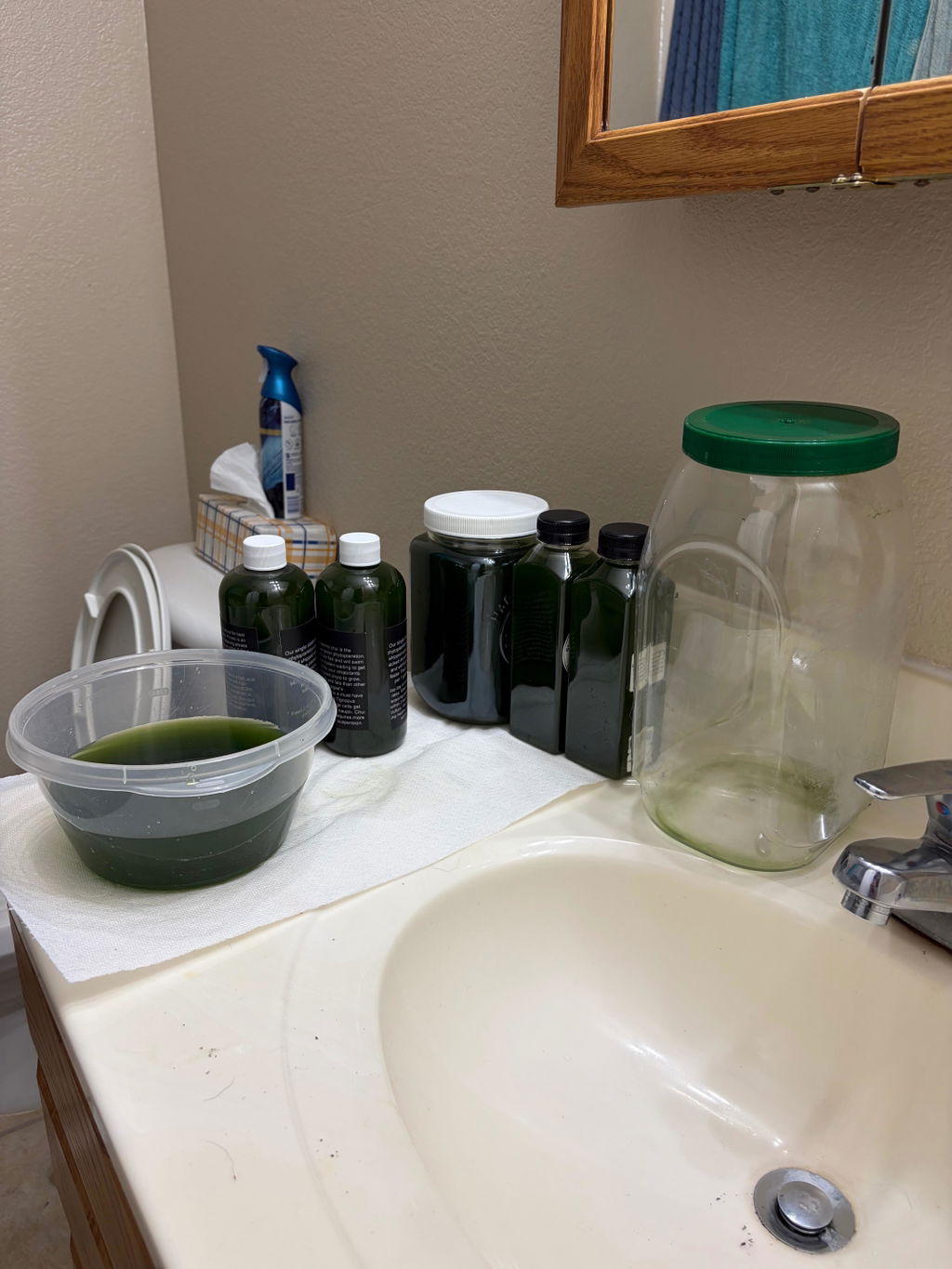
Rotifers need nutritional backing. Their value comes largely from what they have eaten before they are fed out. Rotifers maintained on clean, quality phytoplankton are more useful than rotifers that have been sitting without food or produced in a thin, neglected culture. Keep live phytoplankton on hand if you are raising fry or maintaining rotifer cultures. It supports the rotifers and helps keep the live-food chain moving in the right direction.
For breeders, the challenge is volume and consistency. Seahorse fry do not eat a couple of times a day and call it good. They hunt throughout the day, so the rearing vessel needs enough prey density for fry to encounter food constantly without crashing water quality.
Enriched baby brine shrimp: practical fry food
Freshly hatched baby brine shrimp, often called Artemia nauplii, are one of the most practical foods for many seahorse fry after the earliest stage. They are active, easy to hatch in quantity, and large enough for growing fry. The catch is nutrition.
Newly hatched Artemia have a short window of decent yolk-based nutrition. Once they grow out, their nutritional profile falls off unless they are enriched. Feeding older, empty brine shrimp day after day is one of the common ways young seahorses end up growing poorly despite appearing to eat constantly.
Use freshly hatched nauplii for the smallest fry, then enrich larger Artemia before feeding as the fry grow. Sieve and rinse them well. Hatchery water, shells, and excess enrichment can foul a fry tank fast.
Adult brine shrimp: useful, but not a staple by itself
Live adult brine shrimp get a strong feeding response from many adult seahorses. That makes them useful for conditioning, encouraging a new arrival to eat, or getting a stubborn fish interested in a feeding station. They are also easy to portion and easy for most hobbyists to recognize.
The trade-off is that adult brine shrimp are naturally lean unless they have been gut-loaded or enriched. Think of unenriched adult brine as an appetite tool, not the foundation of a long-term diet. Feed it well with phytoplankton or a proven marine enrichment before offering it to your seahorses.
If your adults already accept quality frozen mysis, that should usually remain the main meal for larger captive-bred seahorses. Live enriched brine can supplement that routine, provide variety, and solve a feeding issue. It should not replace a balanced staple simply because the seahorses chase it eagerly.
Live mysid shrimp: premium prey for larger adults
Live mysid shrimp are close to ideal prey for larger adult seahorses. Their movement, shape, and marine nutritional profile make them highly attractive, especially for wild-caught specimens and breeding adults. If you can source clean, healthy live mysids consistently, they are one of the best conditioning foods available.
Availability is the downside. Live mysids can be harder to source than brine shrimp or copepods, and collection or holding practices matter. Poorly handled prey can arrive weak, die quickly, or introduce problems into a system. Avoid treating any live prey as automatically safe just because it is alive. Buy from a seller that understands marine live-feed density, clean culture conditions, and careful shipping.
Match Prey Size to the Seahorse, Not the Label
A food can be nutritionally excellent and still fail if it is too large to swallow or too small to be worth chasing. Newborn fry need the smallest prey first. Depending on the species, that may mean rotifers, copepod nauplii, or newly hatched Artemia. As fry grow, move toward enriched Artemia and larger pods.
Dwarf seahorses are their own category. They need a near-continuous supply of small live prey, commonly copepods and baby brine shrimp, because their tiny bodies and hunting style do not suit the typical frozen-mysis routine used for larger seahorses. A dwarf setup is much closer to a live-food culture system than a standard fish tank.
Larger species such as H. erectus can often be trained onto frozen mysis, but they still benefit from live prey during acclimation, breeding, illness recovery, or periods of low appetite. Watch the seahorse, not just the food label. A properly sized meal is taken cleanly, swallowed without repeated attempts, and does not leave the fish wasting energy on prey it cannot manage.
Feeding Live Foods Without Wrecking Water Quality
Live feeds help only when the aquarium can handle them. Overfeeding brine shrimp, dumping in dirty hatch water, or adding a large bottle of phytoplankton without a plan can raise nutrients and leave decomposing food behind. Seahorse tanks already need close attention because these fish are slow eaters and often fed heavily.
Rinse Artemia and other hatchery-produced foods before feeding. Use a sieve sized for the prey you are working with. Feed adults in a calm area or feeding station so food stays accessible instead of disappearing into overflow teeth, powerheads, or the mouths of faster tankmates. Remove uneaten food when practical.
A varied routine works better than chasing one miracle food. For example, adult captive-bred seahorses may receive frozen mysis as their reliable core meal, enriched live brine a few times a week, and periodic copepod additions for natural hunting. Fry need a tighter schedule built around continuous access to appropriately sized live prey and frequent water maintenance.
What to Avoid
Do not rely on freshwater feeder fish, goldfish, or guppies. They are the wrong nutritional profile for marine seahorses and can bring disease risks. Avoid wild-collected shoreline prey unless you understand exactly where it came from and what may have been introduced with it. Also skip old, cloudy, low-activity live cultures. If the prey is weak before it reaches your tank, it will not deliver much once it gets there.
The best results come from feeding the food before it feeds your seahorse. Keep your live cultures dense, use clean phytoplankton to support rotifers and pods, enrich brine shrimp when appropriate, and choose prey that matches the animal in front of you. A seahorse that hunts with purpose, keeps a full body shape, and returns to its feeding spot is telling you the plan is working.