How to Grow Copepods in Your Reef Aquarium
Share
A bottle of pods can disappear into a hungry reef tank in one night. That does not mean the pods failed. It usually means the tank did not yet have enough protected habitat, natural food, or time for the population to establish. If you are asking how to grow copepods in aquarium systems, the real goal is not simply adding more pods. It is building conditions where they can feed, reproduce, and stay out of reach long enough to do it again.
Copepods are one of the most useful small animals in a reef tank. They graze on microalgae, biofilm, detritus, and suspended foods while becoming live prey for mandarins, wrasses, anthias, corals, and other filter feeders. A healthy pod population adds activity to the food web that flakes and pellets cannot fully replace. But pods are livestock, and they need a plan.
Start With the Right Expectation
There are two ways to grow copepods: establish them inside the display tank or culture them separately for regular harvests. An established reef can support a resident population, especially in the rockwork, sand bed, refugium, and rear chambers of an all-in-one system. A separate culture gives you better control and lets you produce pods without every new hatch becoming fish food.
For a mandarin, leopard wrasse, or another dedicated pod hunter, relying on a new bottle added to the display every few weeks is rarely enough by itself. The fish may be eating faster than the pod population can recover. In that case, use the tank as habitat and run a separate culture as your supply line.
Species also matter. Tisbe copepods spend much of their time on surfaces and work well in rock, macroalgae, and refugia. Tigriopus are larger and highly visible, but they are more likely to stay in the water column. Apocyclops reproduce quickly and provide a useful mix of free-swimming and surface-associated nutrition. A mixed culture can add biodiversity, but each species may thrive under slightly different conditions. Do not assume every pod behaves the same way.
Build a Tank Where Copepods Can Hide
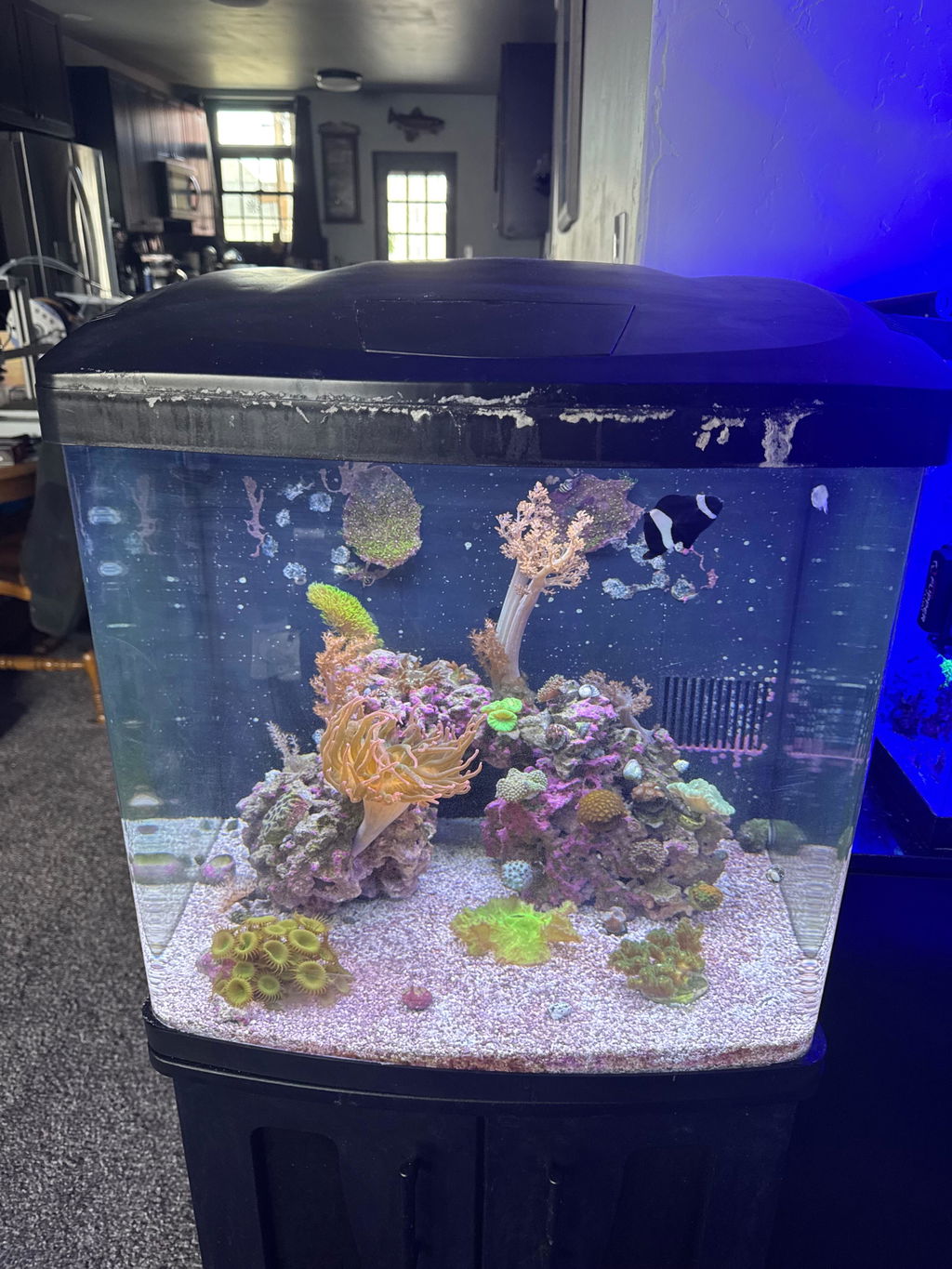
A reef tank grows copepods best when it has places predators cannot easily pick clean. Porous live rock, rubble zones, sand, macroalgae, filter media, and refugiums all create shelter. The goal is not to make the display look messy. It is to create a few protected areas where pods can complete their life cycle.
A refugium is especially useful because it separates most of the pod population from fish predation. Chaetomorpha, rock rubble, and a little gentle flow give pods surfaces to graze and reproduce on. Pods will migrate from the refugium into the display, particularly at night, but the main colony has a fighting chance to remain intact.
If you do not have a refugium, use a protected media basket, a small section of rubble in the sump, or a pod hotel placed where fish cannot constantly hunt it. Avoid turning every protected zone into a high-flow detritus trap. Pods need oxygenated water and food, not stagnant sludge.
Newer tanks can grow pods, but they usually need feeding support. Ultra-clean systems with aggressive mechanical filtration, oversized UV sterilizers, heavy skimming, and no visible film algae can be tough on microfauna. You do not need dirty water to grow pods. You do need a little available nutrition and surfaces with biofilm.
Feed the Food Web, Not Just the Fish
Phytoplankton is the foundation of a dependable pod population. Live phyto provides particles that copepods and their young can consume, while also supporting the microalgae and biofilm that develop on tank surfaces. It is not magic green water. It is food, and too much food can still create nutrient problems.
Start with a modest amount of fresh live phytoplankton a few times per week and watch the tank. The right amount depends on water volume, fish load, nutrient export, and whether you are feeding a separate culture. If nitrate and phosphate are already climbing, reduce the dose and look at the total feeding picture. If the tank is very stripped down, a consistent phyto routine may be the missing piece.
Freshness and density matter here. Thin, old bottles with little live cell activity do not deliver the same feeding value as a dense, healthy culture. Reef Legends focuses on live-feed density for this reason: the food web responds to actual live nutrition, not a label with a long list of ingredients.
In the display, feed phyto when the return flow and circulation can distribute it throughout the system. Some hobbyists dose after lights out because more pods emerge then, but consistency matters more than the exact hour. If you run a UV unit, temporarily bypassing it during phyto feeding can prevent the unit from immediately reducing the live cells you just added.
How to Grow Copepods in Aquarium Cultures
A separate culture is simple when you keep it simple. Use a clean food-safe bucket, small aquarium, or clear container with saltwater matched close to your reef's salinity. A heater is optional if the room stays stable, but most common marine copepods do well around normal reef temperatures. Gentle aeration is enough. You want steady oxygen exchange, not a violent bubbling column that keeps every pod pinned in the current.
Seed the container with a healthy copepod culture, then add live phytoplankton until the water has a light green tint. As the pods feed, the water will gradually clear. That clearing is your cue to add more phyto, not a reason to dump in a large dose all at once. Maintain green water lightly rather than allowing the culture to swing from dark green to completely starved.
Keep the culture out of direct sunlight. A simple room-temperature location with a lid resting loosely on top works well. The lid helps keep dust, sprays, and curious pets out, but do not seal it airtight. Label the container and keep dedicated tubing, sieve, and measuring tools for live cultures. Cross-contamination from rotifers, brine shrimp, dirty nets, or household cleaners can turn a productive culture into a crash.
Water changes are not always necessary every few days, but partial changes help when debris accumulates or the culture starts smelling off. Healthy cultures generally smell like clean saltwater or a mild ocean scent. Sour, rotten, or sharply foul water is a warning sign. Remove debris, replace part of the water with clean mixed saltwater, reduce feeding for a day, and increase gentle aeration.
Harvest Without Crashing the Culture
The easiest way to lose a culture is harvesting too hard. Let the first generation settle in before taking meaningful amounts. Once you see adults, juveniles, and tiny nauplii at the same time, the culture is reproducing and can handle small, regular harvests.
Use a sieve sized for the pod species you are growing, then rinse the collected pods into the display with tank water. Harvest only a portion of the container at a time. A conservative approach is better than stripping the culture and hoping it rebounds. Leave adults, eggs, juveniles, and enough food behind to restart the next cycle.
Running two smaller cultures instead of one large one is a practical insurance policy. If one culture fouls, overheats, or gets contaminated, you still have a backup. This matters most when you are feeding pod-dependent fish or supplying larvae that need live prey on a schedule.
Common Reasons Pod Populations Stall
When pods vanish, the cause is usually visible once you look at the system honestly. Heavy predation is common. A six-line wrasse, mandarin, target-feeding fish, or even a dense amphipod population can put serious pressure on copepods. Lack of habitat comes next, followed by inconsistent phyto feeding.
Other issues include salinity swings, temperature spikes, overfeeding a culture until oxygen drops, and using medications that affect crustaceans. Copper-based treatments are an obvious problem, but other pest treatments can also impact pods and other beneficial microfauna. Read the treatment instructions carefully before dosing a system you want to keep biologically diverse.
Do not judge success only by whether you see pods on the glass during daylight. Many copepods stay hidden in rockwork and emerge after lights out. Check the tank with a small flashlight an hour or two after dark. A scattered population is normal. A thriving population often looks like tiny white specks moving across the glass, sand, and refugium walls.
Give the population time, feed it consistently, and protect a portion of it from predators. Once that cycle is working, copepods stop being a one-time purchase and become part of what keeps a reef tank alive between the things you can see.