Live Feed Storage Guide for Reef Keepers
Share
A bottle can arrive dark green, packed with pods, or full of active rotifers and still be wasted in a few days if it is stored like dry fish food. This live feed storage guide is built for the reef keeper who wants that bottle to stay dense, clean, and useful until it goes into the tank, refugium, or culture station.
Live feeds are living inventory. Temperature, oxygen, light, food, and handling all matter, but not in the same way for every organism. The goal is not to make a bottle last forever. The goal is to preserve quality long enough to feed on a schedule that benefits your reef.
Start With the Label, Not a Guess
Storage recommendations on the product label should always win. Different phytoplankton strains, copepod species, rotifer blends, and live brine shrimp can have different ideal temperature ranges and shelf lives. A mixed live-feed package may also contain organisms with slightly different preferences, so the seller's instructions are the best starting point.
When a live shipment arrives, open it promptly. Check the water temperature, make sure the container is intact, and look for obvious warning signs such as a sour or rotten smell, milky water, excessive foam, or a complete lack of movement in an animal-based culture. A little settling is normal. A bottle of phytoplankton may separate into a darker layer on the bottom and clearer water above it. That is not a problem by itself.
Do not leave live goods in a hot mailbox, on a sunny porch, or in a car while you run errands. Shipping stress is often recoverable. Heat after delivery is where good cultures get wrecked.
Phytoplankton Storage: Cold, Dark, and Gently Mixed
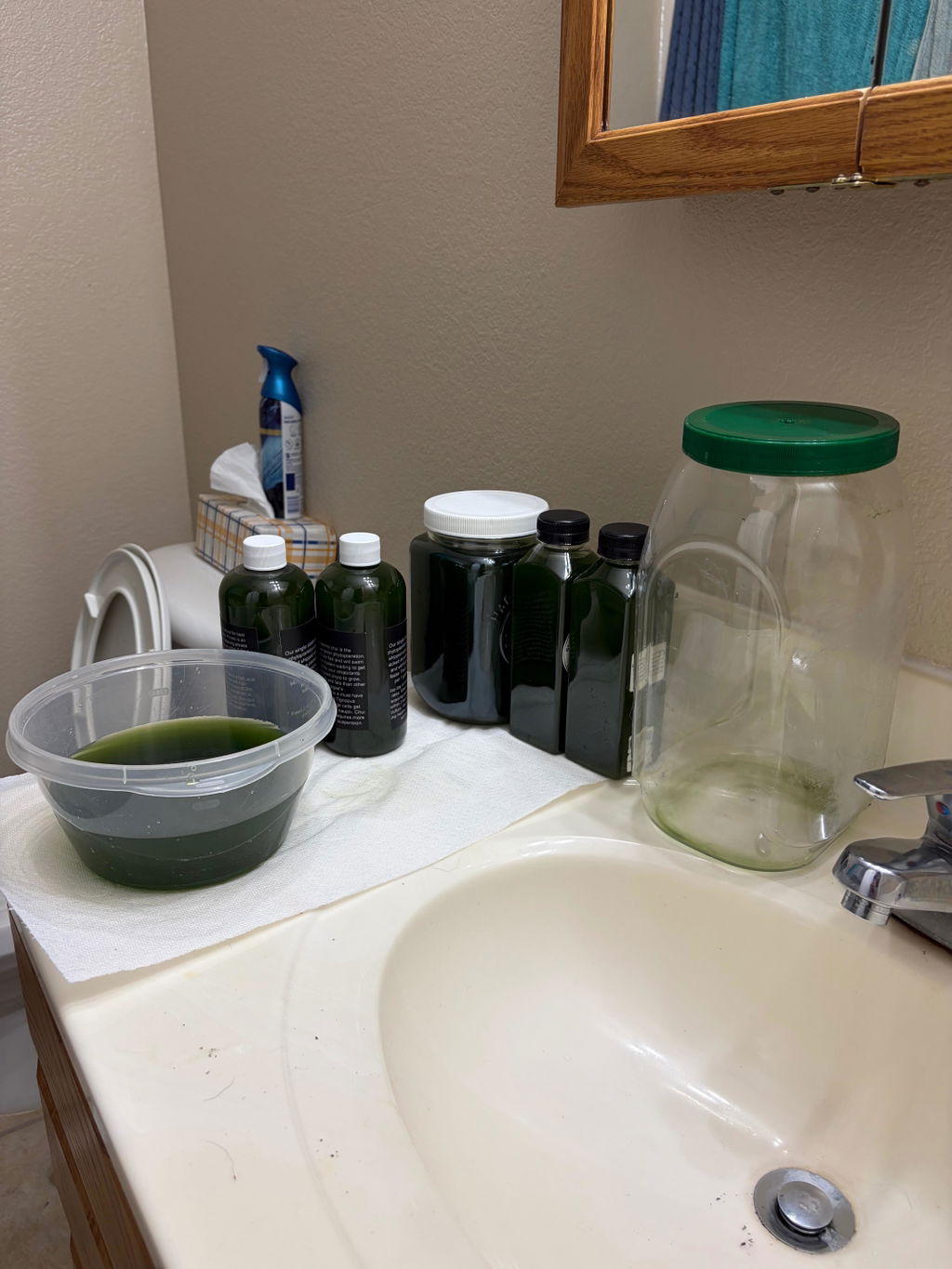
Refrigeration is the standard approach for most bottled live phytoplankton intended for feeding. Keep it cold, ideally in a refrigerator that holds a stable temperature, and keep it away from the freezer compartment or the back wall where bottles can partially freeze. Freezing damages cells and turns a live feed into a far less useful product.
Store phytoplankton upright and out of direct light. You do not need to put a feeding bottle under a grow light. In fact, a closed bottle sitting under strong light can warm up quickly and create more problems than it solves. The culture was grown under light. Its job in your fridge is to remain viable and nutritious until feeding time.
Gently invert or swirl the bottle before each use. This redistributes settled cells and gives you a more consistent dose. Avoid violent shaking, especially with dense blends. You are not trying to whip air into the bottle.
Clean handling matters more than most hobbyists realize. Do not pour unused phytoplankton from a dosing cup back into the original bottle. Do not dip a dirty turkey baster, pipette, or measuring spoon into it. Once tank water enters a bottle, bacteria and other contaminants have an easy path in. Pour out what you expect to use, cap the bottle promptly, and return it to the fridge.
How Long Does Refrigerated Phytoplankton Last?
It depends on the strain, density, and how often the bottle is opened. A dense, fresh culture stored cold and clean will generally hold quality far better than a thin bottle that has been sitting warm on a shelf. Use the freshest product first and pay attention to the seller's use-by guidance.
Color is useful, but it is not the whole story. A dark green bottle is usually a good sign of density, while a suddenly pale, brown, foul-smelling, or unusually clumpy bottle deserves a closer look. If it smells bad or has clearly crashed, do not add it to a prized reef system.
Copepod Storage: Keep Oxygen and Temperature in Balance
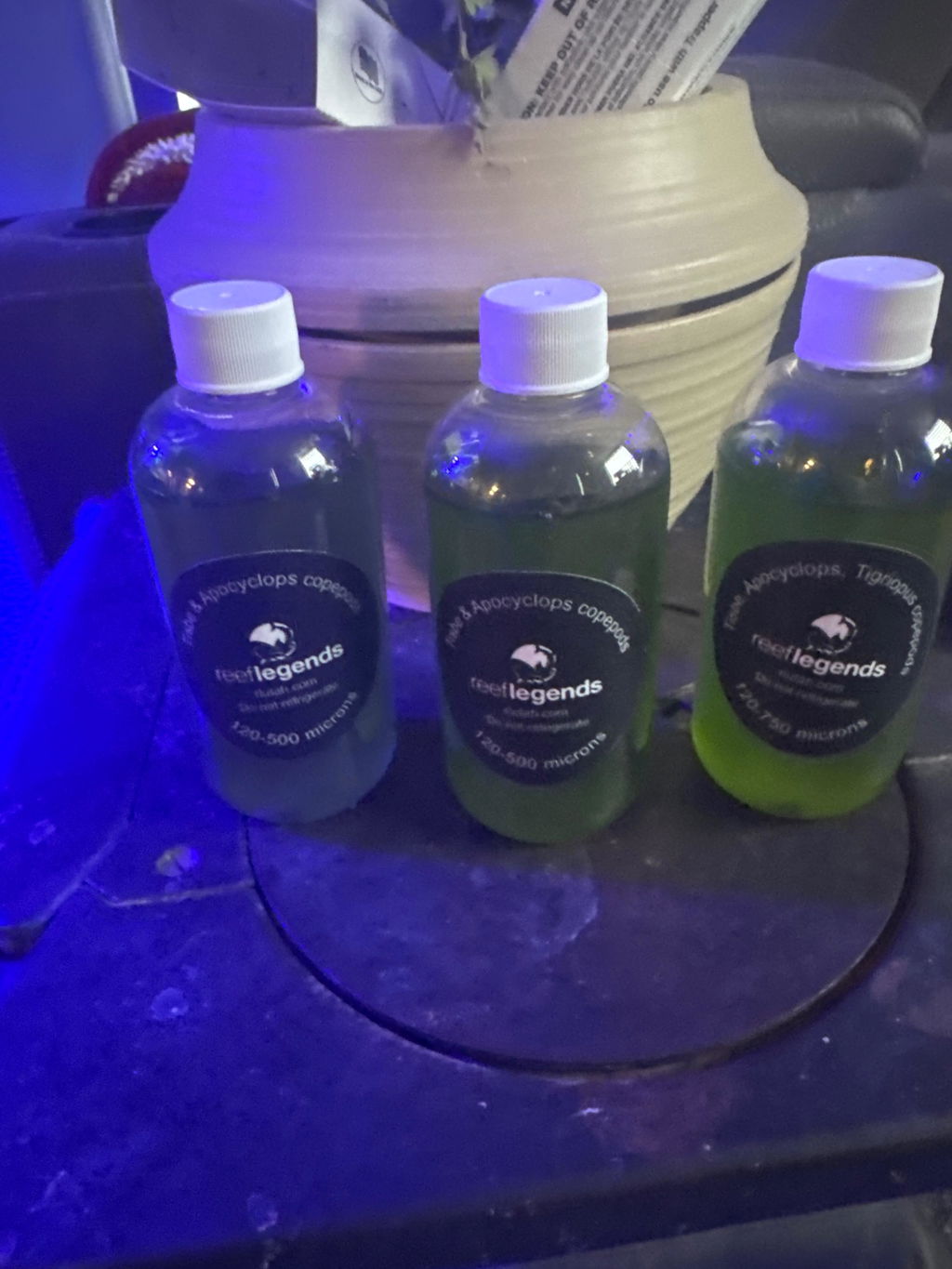
Copepods are not phytoplankton. They need oxygen, and they are much easier to stress with rough handling, temperature spikes, and stagnant water. For most bottled copepods, cool storage is helpful because it slows metabolism and buys time before feeding. However, cold is not the same as freezing. Keep bottles away from freezer vents and do not leave them pressed against the coldest refrigerator surface.
After arrival, inspect the bottle with a flashlight or hold it against a bright background. You should see movement, although some pods will settle low in the bottle. Gently rotate the container before use to distribute them. Do not shake a pod bottle hard enough to create heavy foam.
If you plan to add pods to a display tank, refugium, or rock rubble zone, temperature acclimation can be worthwhile when the bottle is much colder than the aquarium. Float the sealed container briefly to reduce the temperature difference, then release the pods near structure, macroalgae, or the refugium. Turning off pumps for a short period can give them a better chance to settle instead of immediately visiting an overflow.
For short-term storage, leave the bottle capped as directed and minimize unnecessary opening. For longer holds, follow species-specific instructions. Some copepods tolerate cold holding well, while others benefit from being moved into a properly aerated culture setup. A sealed retail bottle is for transport and short-term use, not a permanent home.
Rotifers Need a Faster Plan
Rotifers are small, useful, and easy to underestimate. They also have a short runway in a bottle because they are active animals that consume oxygen and generate waste. If you buy live rotifers for coral feeding, larval fish, or a home culture, plan to use them or move them into a culture vessel quickly.
Cool storage can slow them down for a short period, but it does not replace aeration, water management, and feeding. Do not keep rotifers in a warm, sealed bottle under room lighting and expect the density to remain strong. If they are being held longer than the seller recommends, transfer them to a clean container with appropriate salinity, gentle aeration, and a reliable phytoplankton food source.
The same contamination rule applies here. Never return leftover rotifers, tank water, or used culture water to the original bottle. It only takes one contaminated tool to turn a clean live feed into a bacterial mess.
Live Brine Shrimp: Use Them Fresh
Live brine shrimp are one of the least forgiving feeds to store. They are best used as close to arrival as possible. A cool location may slow them down briefly, but a crowded container can lose oxygen fast, especially if it gets warm.
If you must hold live brine shrimp, keep the water clean, avoid sudden temperature swings, and provide gentle aeration in an appropriately sized vessel. Do not assume a tightly capped shipping container will support them for days. For most reef tanks, the better move is to split the shipment into planned feedings and use it while activity and nutritional value are still high.
Rinse only when it makes sense for your livestock and feeding method. Heavy rinsing can be useful when you want to limit shipping water, but rough handling can also damage delicate organisms. Use a suitable sieve, clean saltwater, and a gentle flow rather than blasting live food under a faucet.
The Refrigerator Mistakes That Cost You Density
A reef keeper can do everything right during feeding and still lose live feed to a bad fridge routine. The most common issue is temperature instability. The door shelf looks convenient, but it is often the warmest and most variable spot in the refrigerator. A middle shelf toward the front is usually more stable.
Keep live feeds away from raw food spills, strong odors, and areas that freeze. Label bottles with the arrival date and use the oldest one first. If you have several feeds, this simple rotation prevents an excellent bottle from getting buried behind leftovers until it is past its useful window.
Avoid opening bottles just to check on them. Every opening changes the gas exchange and increases the chance of contamination. Check the outside of the bottle, note the date, and only open it when you are ready to feed.
When Storage Should Become Culturing
There is a clear point where storage stops being the right strategy. If you want a standing supply of rotifers, pods, or phyto for frequent feeding, build a culture system. A culture gives you room for aeration, controlled feeding, harvests, and water changes. A retail bottle cannot do those jobs for long.
Culturing has trade-offs. It takes equipment, time, and sanitation discipline. It can also crash if you overfeed, underfeed, neglect cleanup, or cross-contaminate cultures. For many hobbyists, the smart approach is a mix: keep dependable fresh live feeds on hand for the display and run one or two cultures once the routine feels manageable.
Reef Legends customers often use dense live phytoplankton as both a direct coral and filter-feeder food and as a reliable foundation for pod or rotifer cultures. That only works when the feed stays fresh from the day it arrives through the day it is used.
A good storage routine is not complicated. Keep each organism in its recommended conditions, handle it cleanly, use it while it is fresh, and do not stretch a shipping bottle past its purpose. Your corals, pods, and fish get the benefit when the live feed is still truly alive.