Live Feeds That Actually Work in Reef Tanks
Share
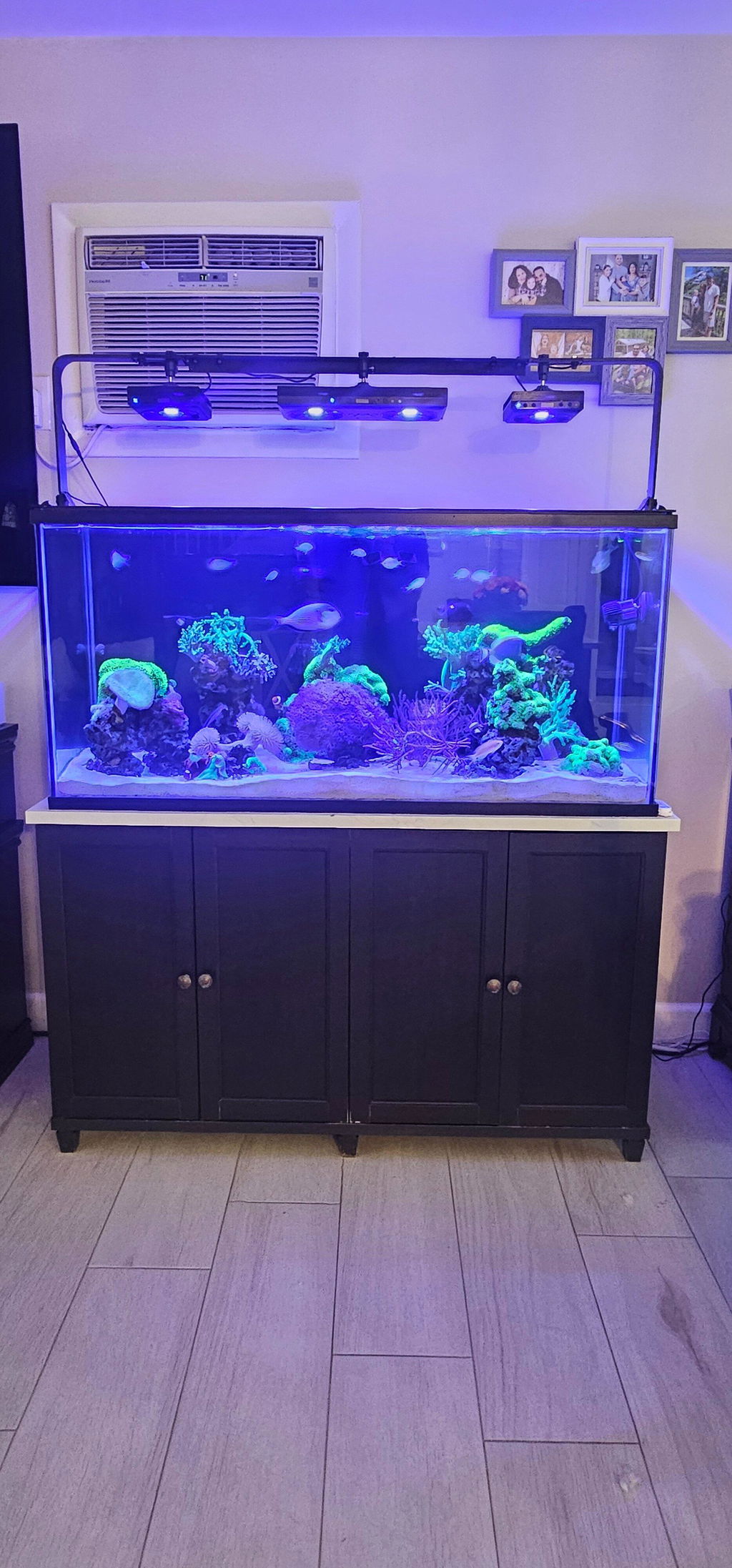
A reef tank can look clean, test well, and still be missing a big piece of the ecosystem: food that behaves like food on a reef. Live feeds bring movement, natural particle size, fatty acids, and biological variety that flakes, pellets, and frozen cubes cannot fully duplicate. That matters whether you are trying to grow a stronger pod population, keep filter feeders active, raise larvae, or give demanding corals more than one kind of nutrition.
The goal is not to replace every dry or frozen food with a bottle of green water or a bag of pods. The goal is to feed the right live organism at the right point in your tank's food web. When that is done consistently, the results can show up in better pod coverage, more active microfauna, healthier culture systems, and livestock that is better prepared to feed naturally.
What Live Feeds Add to a Reef Tank
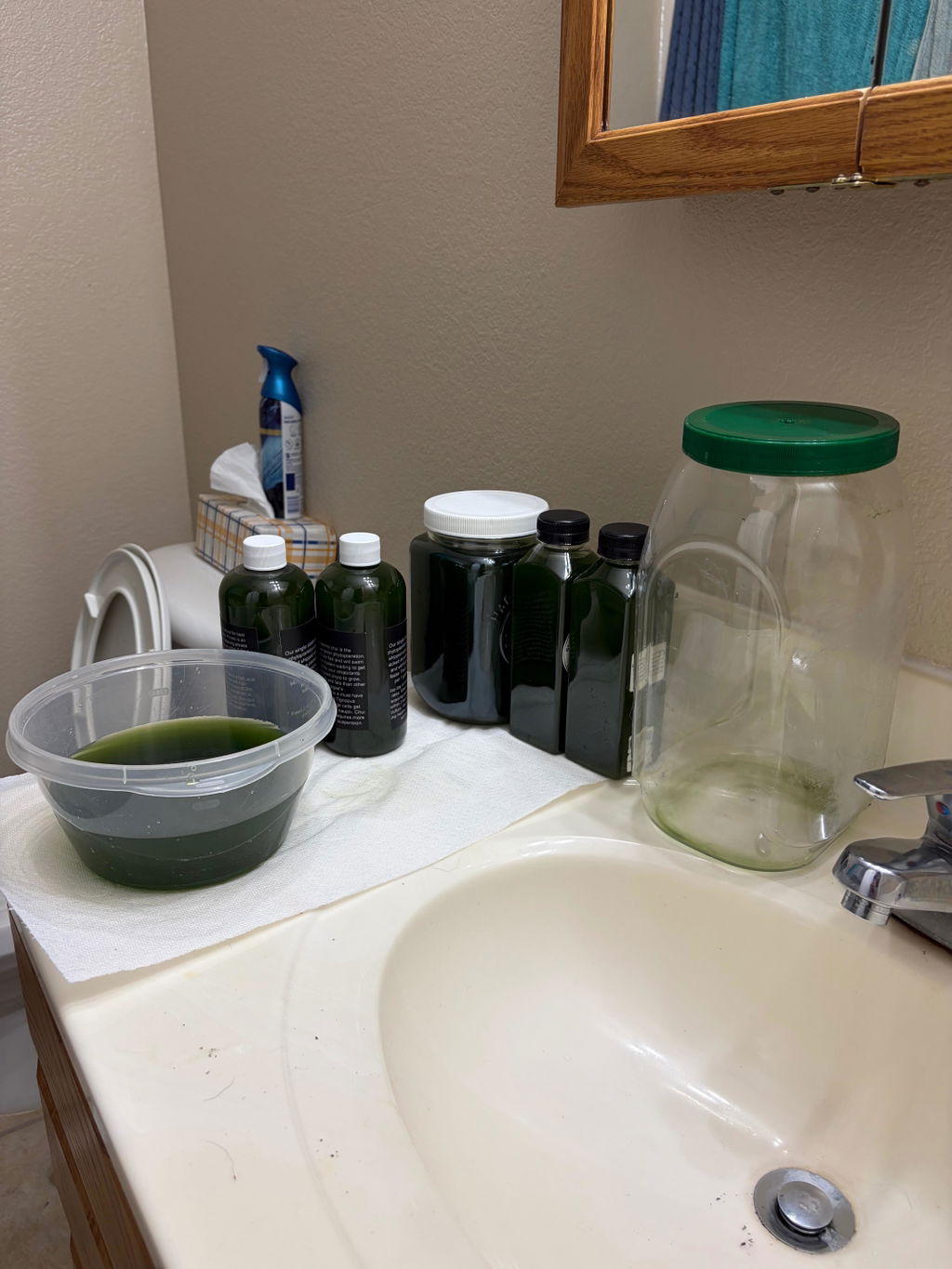
Different live foods solve different problems. Phytoplankton is the foundation. It feeds organisms that filter tiny suspended particles, supports copepod and rotifer cultures, and can help keep the lower levels of the food web supplied. A quality phyto blend also gives a tank more than one cell size and nutritional profile, which is useful because no single strain is perfect for every animal in the system.
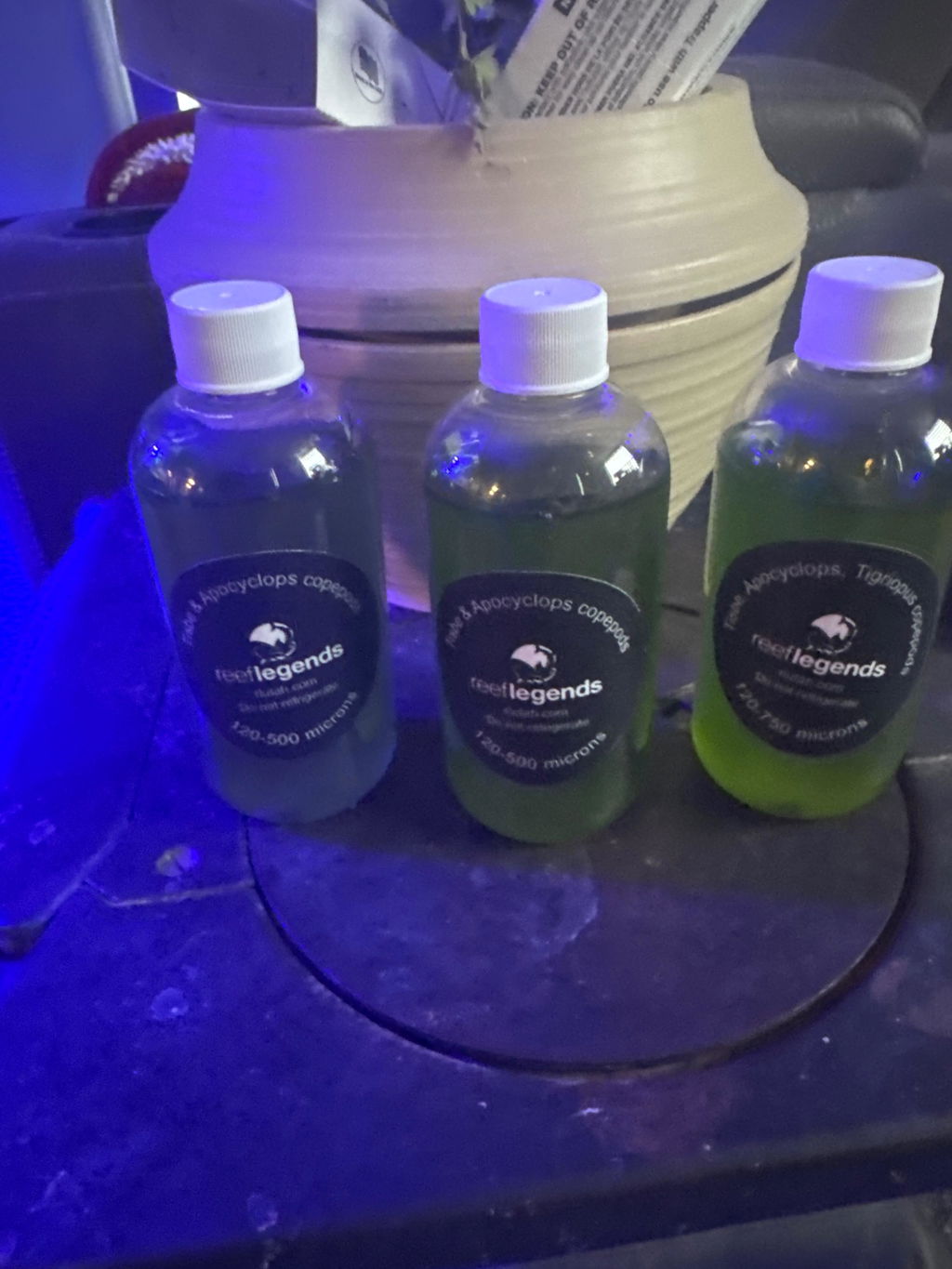
Copepods are the next link up. They graze on film algae, detritus, and microalgae, then become prey for fish and invertebrates. A healthy pod population is especially valuable for mandarins, scooter blennies, wrasses, and other constant pickers, but pods are not only about feeding one fish. They are part of the cleanup and recycling crew that works in places your larger animals cannot reach.
Rotifers and newly hatched brine shrimp fill a different role. Their small size and active swimming make them useful for larval fish, small-mouthed fish, finicky feeders, and coral feeding routines. Enriched brine can be a very practical live option for larger juveniles and fish that respond to motion, though it should not be treated as a complete nutritional solution by itself.
That distinction matters. Calling every bottle or bag "live food" misses the point. Phyto feeds one level of the system. Pods add a grazing and prey layer. Rotifers and brine shrimp are direct prey items. Build around what your tank and livestock actually need.
Choosing Live Feeds for Your Goal
Start by identifying the job. If you want to establish or maintain a copepod population, use dense, healthy pods and give them ongoing phytoplankton support. Adding pods to a tank with no food source, heavy mechanical filtration, and active pod predators can turn an expensive bottle into a one-night snack.
For a newer reef, phytoplankton and pods can help introduce useful biodiversity, but they are not a shortcut around cycling, stable salinity, or basic husbandry. Let the tank mature, provide rockwork and low-predation areas, and avoid expecting a visible explosion of pods in a few days. Pods often establish first in the sump, refugium, rear chambers, and shaded rock before you notice them on the glass.
If you keep non-photosynthetic corals, sponges, feather dusters, clams, or other filter-feeding animals, particle size becomes more important than hype. Phytoplankton may be part of a broad feeding plan, but many animals also benefit from zooplankton-sized foods, dissolved nutrition, or target feeding depending on the species. Watch feeding response, tissue condition, and nutrient trends instead of assuming a larger dose is always better.
Breeders need to be more specific. Rotifers are often the right first food for larvae with tiny mouths, while copepod nauplii can offer excellent movement and nutrition for species that can take them. As larvae grow, larger copepods or enriched brine shrimp may make sense. The right live feed is determined by mouth size, hunting behavior, and developmental stage, not by what is easiest to keep on hand.
Freshness and Density Are Not Small Details
Live feeds are only useful when they arrive alive and in good condition. A pale bottle with low cell density, a pod culture with little visible movement, or a culture that smells foul is not what you want going into a display tank or breeder setup.
Density matters because it determines how much nutrition you are actually adding per dose. With phytoplankton, color can offer a quick visual clue, but it is not the whole story. Different strains naturally range from green to brown, gold, or reddish tones. A dense culture should look alive, uniform, and appropriate for its strain or blend, not watery, separated, or rotten.
For pods and rotifers, observe movement and packaging. Healthy animals may cluster, settle, or respond differently by species, so do not judge a culture only by whether everything is swimming at the surface. What you do want is clean water, active life, sensible shipping temperature, and a supplier that packs live goods like they matter.
This is why reliable insulated shipping is worth paying attention to, especially during temperature swings. Live goods are not a shelf-stable product. The time in transit, pack-out method, and speed of getting the package acclimated all affect the outcome.
How to Add Live Food Without Creating a Nutrient Problem
More food means more potential nutrients. A well-fed reef can thrive, but dumping in heavy doses without watching nitrate, phosphate, oxygen, and algae response is not a feeding strategy.
Begin with a modest amount and dose consistently. For phytoplankton, many hobbyists start by turning off UV, ozone, protein skimming, or fine mechanical filtration briefly so the food stays available longer. You do not need to shut down every pump. Keep circulation running so the food reaches the display, refugium, and filter-feeding animals instead of settling in one corner.
With copepods, release some into the display after lights are dimmed and add some near rockwork, a refugium, or protected macroalgae. Darkness gives them a better chance to settle before fish begin hunting. If you have a pod-eating fish already established, understand that you may need regular additions or a protected pod culture area to maintain a meaningful population.
Rotifers and brine shrimp are generally best used closer to feeding time. Target feeding can reduce waste for corals and allow you to see whether animals are actually responding. Broadcast feeding has its place, especially for larvae and active planktivores, but it should be matched to stocking level and filtration capacity.
Test your water after changing any feeding routine. If nutrients climb too quickly, reduce the dose or frequency before reaching for a chemical fix. If corals look better, pods are reproducing, and nutrient levels remain in a range your tank handles well, you are on the right track.
Live Culture at Home: Worth It When You Have a Plan
Culturing phytoplankton, rotifers, or pods can save money for high-demand systems, and it gives breeders more control over daily supply. It also creates work. Cultures need clean vessels, proper salinity, light or aeration where appropriate, regular harvesting, and dependable food. Ignore one culture long enough and contamination or crashes can wipe out the routine.
Start small and keep backups. A single vessel is convenient until it fails. Separate cultures reduce the risk that one bad batch takes down everything. Use clean equipment, avoid cross-contamination, and do not keep feeding a culture that has changed smell, color, or behavior in a way that suggests it is crashing.
For hobbyists who only need occasional doses, buying fresh, dense live feeds is often the better call. For breeders or dedicated reef keepers with constant demand, a home culture station can make sense. It depends on your time, space, and willingness to maintain another living system.
Build the Food Web, Then Watch the Tank
The best feeding routines are not copied blindly from another tank. They are adjusted based on livestock, feeding response, nutrient levels, and the small signs that tell you the food web is working: pods on the glass after dark, fish hunting naturally, filter feeders staying extended, and cultures that remain clean and active.
Reef Legends keeps the focus where it belongs: healthy, visibly dense live cultures that give hobbyists something useful to put in the tank. Feed with purpose, give the smallest animals in the system a chance to establish, and let your reef tell you when the balance is right.