How to Prevent Phytoplankton Culture Crashes
Share
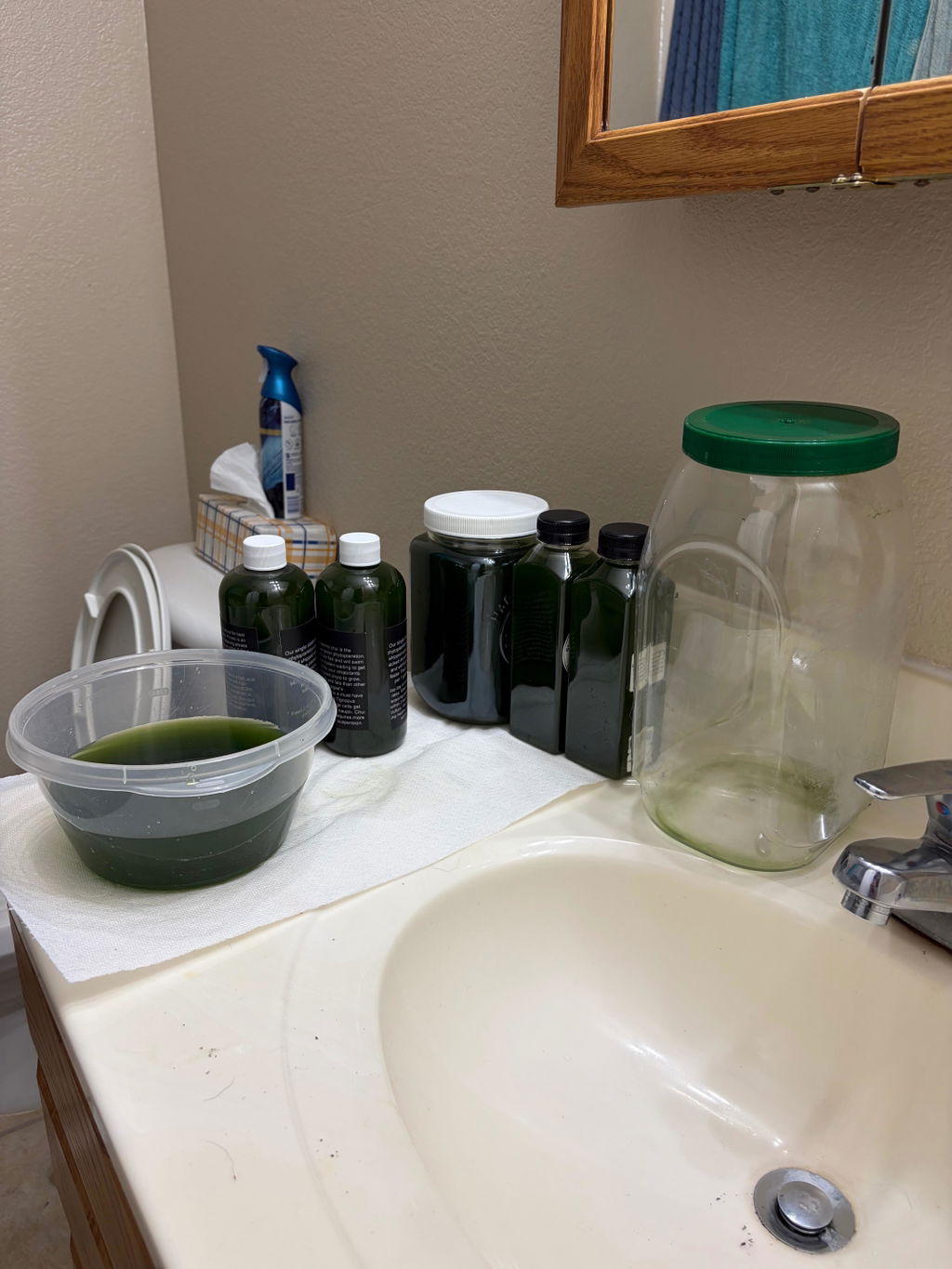
A phytoplankton bottle can look great at breakfast and be pale, foul-smelling, or completely settled by dinner. To prevent phytoplankton culture crashes, treat the culture like live livestock, not green water. The goal is simple: keep a healthy population growing faster than stress, contamination, or nutrient problems can knock it back.
A deep green culture is encouraging, but color alone does not prove it is healthy. A stable culture has a clean marine smell, even color after gentle mixing, active bubbles, and predictable growth between harvests. When one of those changes, act early. Most full crashes give you warning signs first.
Why Phytoplankton Cultures Crash
Phytoplankton crashes usually come from a stack of small mistakes rather than one dramatic failure. A bottle runs too dense, fertilizer is skipped or overdosed, the air line slows down, the light gets too hot, or a contaminated funnel introduces something unwanted. The culture may tolerate one stressor. Add two or three at once, and the balance can go sideways fast.
The other common issue is treating every strain the same. Nannochloropsis is generally forgiving and popular for feeding pods and rotifers. Tetraselmis, Isochrysis, and other strains may respond differently to light intensity, temperature, and density. If you are running separate single strains, keep their routines consistent and avoid assuming the toughest culture sets the rules for all of them.
Start With Clean Saltwater and Clean Equipment
Your culture setup does not need to be complicated, but it does need to be clean. Use new or dedicated containers, tubing, rigid airline, funnels, measuring tools, and sieves. Equipment that has touched a reef tank, a rotifer bucket, or a dirty sump can carry bacteria, ciliates, copepods, or other hitchhikers into a phytoplankton culture.
Mix saltwater with purified fresh water and a quality marine salt mix. Aim for a stable salinity appropriate to the strain you are keeping, commonly around normal seawater strength. More important than chasing a perfect number is avoiding big swings. Do not top off evaporation with saltwater, and do not use old tank water just because it is available. Reef water contains dissolved organics and microbes that are useful in a display system but can make a culture unpredictable.
After a culture is harvested or retired, clean the vessel before starting again. Rinse away residue, sanitize it with an aquarium-safe method, rinse thoroughly, and let it dry completely when possible. Biofilm around the shoulder, cap, airline hole, or bottom of a bottle is a frequent source of repeat problems.
Keep Culture Gear Out of the Display Tank
This rule saves headaches. Do not use the same turkey baster, cup, siphon hose, or stirring tool for both systems. Even careful hobbyists cross-contaminate when they are rushing through maintenance. Labeling culture-only gear is cheap insurance.
Give Light, Air, and Temperature a Stable Routine
Phytoplankton needs light, but more light is not always better. Excessive intensity or a light placed too close to a small bottle can heat the water and bleach the cells. Start with a consistent schedule, typically 14 to 18 hours of light per day, and use a timer. A modest LED or fluorescent source positioned at a sensible distance will usually outperform a powerful fixture blasting a culture around the clock.
Watch the temperature inside the culture area, not just the room thermostat. A shelf near a window, garage wall, furnace room, or high-output grow light can swing far more than you expect. Most common marine phyto cultures are happiest in a moderate, steady range. If the bottles feel warm to the touch, the light is likely too close or the area needs better airflow.
Gentle aeration keeps cells suspended, improves gas exchange, and prevents a dense layer from forming at the bottom. You want a steady stream of medium bubbles, not a violent foam column. Too little air allows settling and stagnant zones. Too much can cause excessive splashing, salt creep, and stress, especially in narrow bottles.
Feed the Culture Correctly, Not Generously
F/2 fertilizer is designed to supply the nutrients and trace elements phytoplankton needs. The mistake is thinking extra fertilizer creates extra density. It does not work that way. Overfeeding can leave unused nutrients in the bottle, increase contamination risk, and create a culture that looks dark until it suddenly falls apart.
Use a measured dose matched to your water volume and follow the directions for your fertilizer. Dose new culture water before inoculation so the cells have food available from the start. If you are running a continuous or semi-continuous setup, replace nutrients only in the volume of fresh water you add.
A culture that is fading because it is nutrient-starved may improve after a careful split into fresh, fertilized saltwater. A culture that is fading from heat, contamination, or an old age problem will not be fixed by pouring in more fertilizer. When in doubt, make a fresh backup bottle instead of trying to rescue every bottle with additives.
Split Before Density Becomes a Problem
The healthiest harvest is usually not the last possible harvest. Once a culture becomes very dark, growth slows because light cannot penetrate the bottle well. Cells compete for nutrients and carbon, settle more easily, and become less forgiving of missed maintenance.
A practical routine is to harvest part of a dense, healthy culture and immediately replace that volume with fresh, fertilized saltwater. This gives you live feed for the reef, copepod cultures, or rotifers while keeping the mother culture in an active growth phase. The exact harvest percentage depends on bottle size, strain, light, and growth rate, but leaving a strong inoculation behind matters more than taking every last drop.
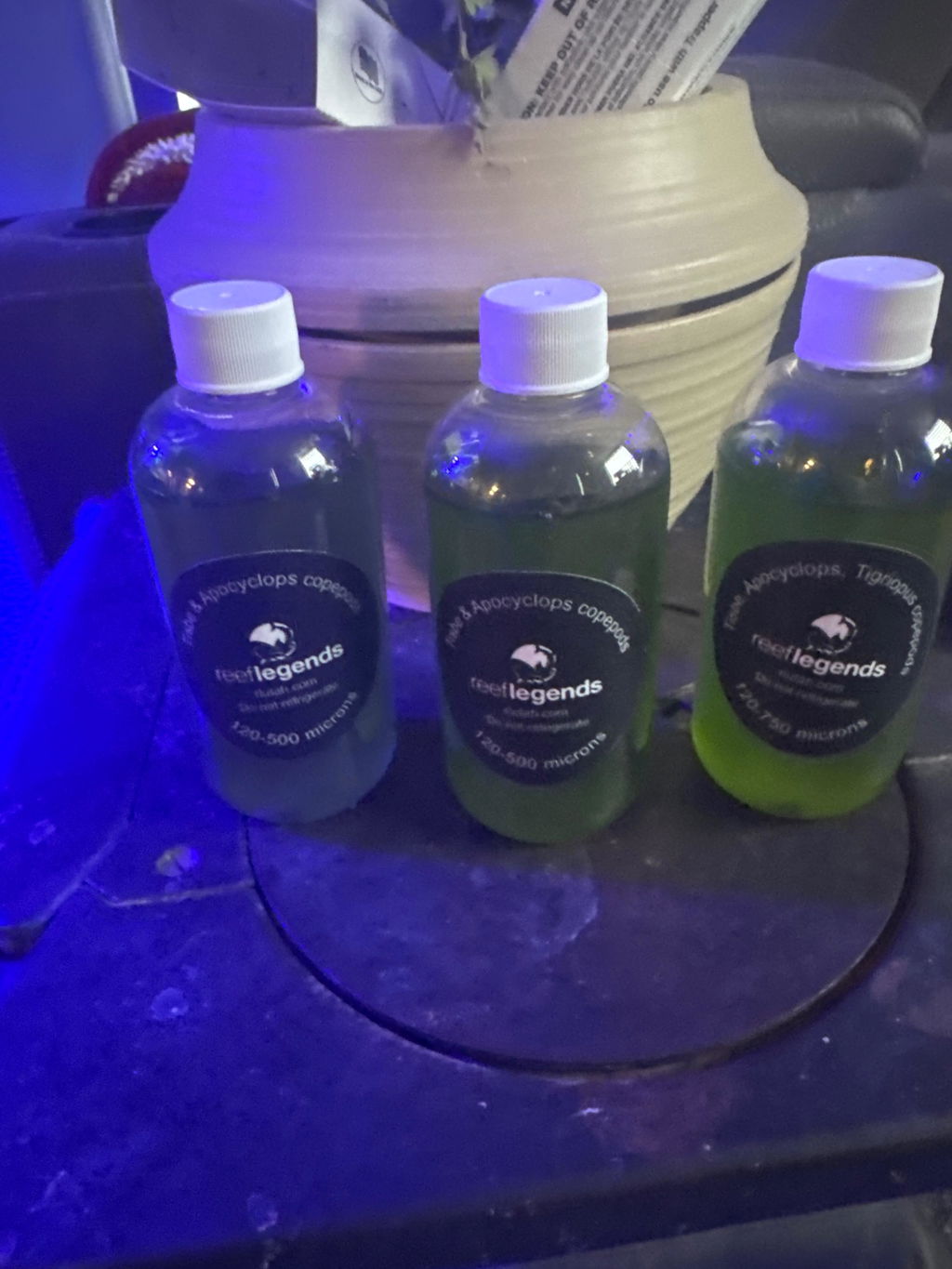
For home culture, redundancy beats heroics. Run at least two containers of each strain on different schedules. If one starts to decline, you still have a clean backup. Reef Legends sees this same principle with live feeds: healthy density and good handling matter, but having a second culture prevents a small issue from becoming a total reset.
Catch Trouble Before the Culture Turns Clear
Check cultures daily. It takes less than a minute and gives you a better chance of saving the system. A healthy bottle should stay evenly colored after aeration, with no rotten odor and no unusual clumps.
Brown residue, stringy material, sudden settling, foam that was not there before, or a sharp sulfur-like smell are all reasons to stop using that culture as a starter. Pale green water can mean dilution or low density, but gray, yellow, or rapidly clearing water is more concerning. If the air line is working and the light schedule has not changed, assume the culture is stressed until proven otherwise.
When one bottle looks questionable, isolate it. Do not share its air manifold, measuring tools, or harvested water with your healthy cultures. Start a new bottle from the cleanest backup you have. Feeding a questionable culture to a mature reef may not always cause trouble, but it is rarely worth the risk when the smell and appearance are clearly off.
Do Not Confuse Settling With a Crash
Some settling is normal when aeration is turned off. Gently swirl the bottle. If the culture redistributes into a uniform color and smells clean, it may simply need better airflow or a more consistent routine. If it stays in slimy clumps, leaves heavy sludge, or clears again within minutes, treat it as a likely failure.
Build a Routine You Can Actually Maintain
The best culture method is the one you will follow every week. A complicated multi-bottle station with perfect equipment is not better than a simple setup that gets checked daily and split on time. Keep a small log of start dates, strain, fertilizer dose, salinity, harvests, and anything unusual. Patterns show up quickly when you write them down.
If you travel often or know you will miss maintenance, harvest and restart before you leave, reduce the number of active bottles, or ask someone to check the air pump and temperature. Culture crashes are most common when a normally reliable routine gets interrupted.
A clean backup, fresh culture water, and an extra airline are the three things that make recovery easy. Keep those ready, and a fading bottle becomes a small inconvenience instead of the end of your live-feed supply.