Rotifers Versus Baby Brine Shrimp for Fry
Share
A clownfish hatch can turn from exciting to frustrating in one night. The larvae are alive, upright, and hunting, but the first food is either too large, too sparse, or not nutritionally ready. That is where the rotifers versus baby brine shrimp decision matters. Both are valuable live feeds, but they solve different problems. Treating them as interchangeable is one of the fastest ways to lose a batch of fry or get slow, uneven growth.
For most marine fish larvae, rotifers are the opening feed. Baby brine shrimp usually become useful after the fry have grown enough to hunt larger prey. In a reef tank, the choice is less about raising larvae and more about what you are trying to support: a natural food web, pod populations, picky livestock, or a targeted feeding response.
Rotifers Versus Baby Brine Shrimp: The Real Difference
Rotifers are microscopic, soft-bodied animals that stay suspended in the water column. The commonly cultured marine type, Brachionus, is small enough for many newly hatched marine larvae to capture. They move in a way that triggers a feeding response, and their size makes them especially effective for clownfish, dottybacks, gobies, cardinalfish, and many other species during the first days of life.
Baby brine shrimp are newly hatched Artemia nauplii. They are bigger, more visible, and more substantial than rotifers. That makes them an excellent next-stage food for older fry, juveniles, seahorses, and fish that can already handle a larger bite. A healthy fish will often attack newly hatched brine shrimp aggressively. That does not mean they were the right first food.
Size is the first dividing line. If a larva cannot fit the prey in its mouth, the nutritional quality does not matter. A larva may chase baby brine shrimp, expend energy, and still fail to eat enough. Rotifers let small larvae feed frequently without having to hunt oversized prey.
The second difference is nutritional control. Rotifers are only as good as what they have been eating. A clean, dense rotifer culture fed quality live phytoplankton can become a useful nutritional package for larvae and filter-feeding reef life. Baby brine shrimp are also highly dependent on timing and enrichment. Freshly hatched nauplii carry a yolk reserve, but that reserve declines quickly. For many sensitive marine species, plain brine shrimp are not a complete long-term food unless they are enriched before feeding.
When Rotifers Are the Better Feed
Rotifers are the workhorse when your priority is getting small marine larvae started. They belong in the hatch tank before or at hatch for species that need tiny moving prey. The goal is not to add a few and hope for the best. Larvae need to encounter food constantly during the early feeding window, especially under appropriate lighting.
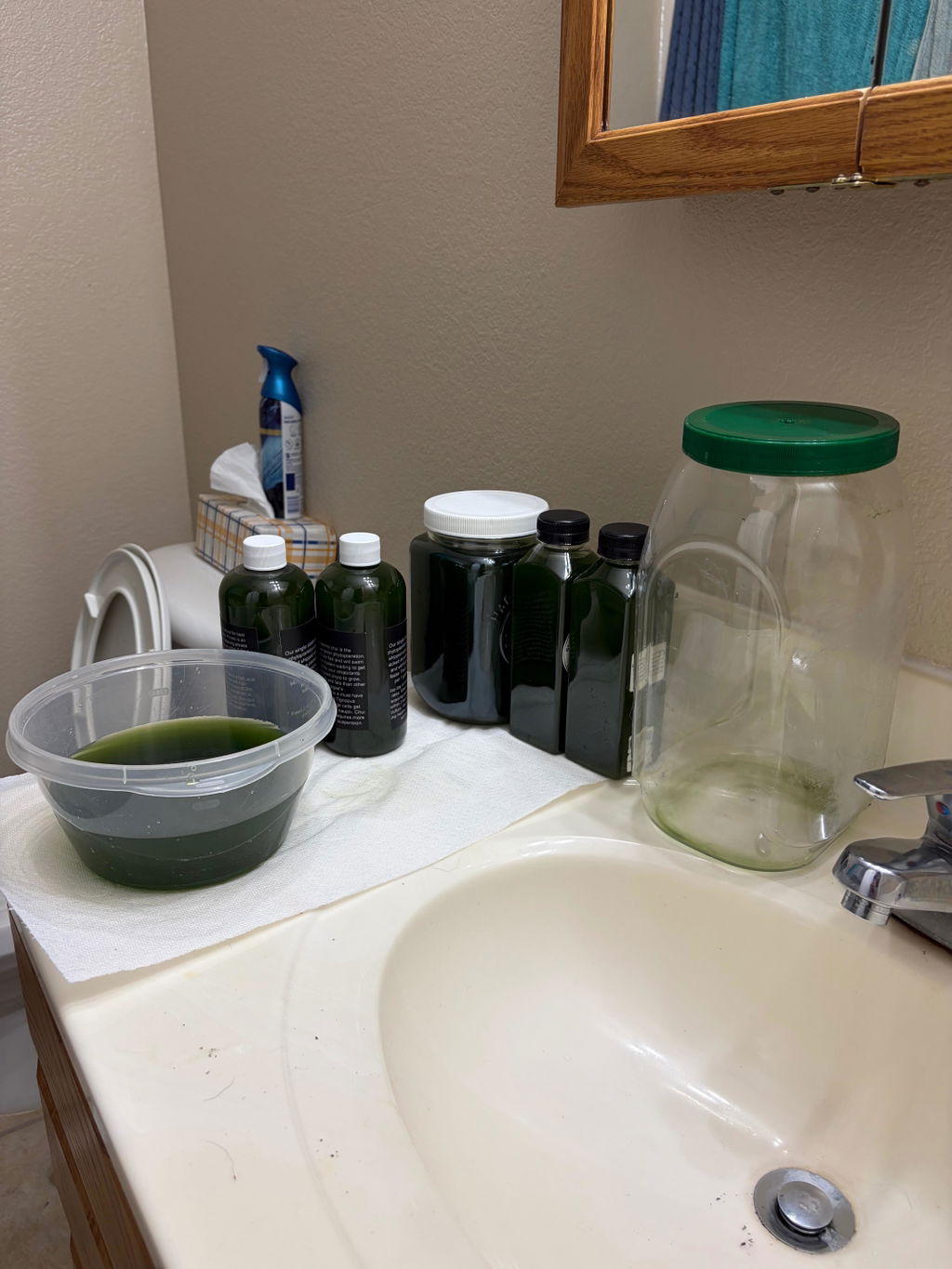
A greenwater approach often helps. Adding live phytoplankton lightly tints the larval tank, helps keep rotifers fed, and can make prey easier for larvae to track. It also reduces the temptation to dump in a heavy load of rotifers all at once. Consistent availability beats one big addition followed by an empty tank.
Rotifers also make sense when you want a smaller live food for certain reef applications. They can be broadcast into a system for filter feeders and small-polyp corals, though they should not be treated as a cure-all for coral health. Coral species, fish load, nutrient export, lighting, and dissolved nutrients still matter. Feed enough to see a purpose, not so much that the tank becomes a nutrient problem.
For hobbyists building a richer microfauna system, rotifers can serve as prey for some small invertebrates and larval stages. They are not a replacement for copepods. Copepods occupy different niches, reproduce differently, and are often more relevant for mandarins and other pod-dependent fish. But rotifers can add another small live-food size class to the system.
The trade-off is culture maintenance. Rotifers reproduce fast when fed and kept in stable conditions, but that speed can fool people into neglecting the basics. Overfeeding phytoplankton, skipping harvests, allowing ammonia to rise, or using questionable water can crash a culture quickly. The best practice is simple: start with a visibly dense, clean culture, feed consistently, harvest regularly, and keep a backup culture when breeding success depends on it.
When Baby Brine Shrimp Earn Their Place
Baby brine shrimp shine once fry have enough mouth size and hunting ability. For many clownfish batches, that transition comes after the first several days, but the exact timing depends on species, larval size, temperature, and growth rate. Watch the fish, not just the calendar. When fry are actively taking larger prey and developing fuller bellies, newly hatched Artemia can move from supplemental feed to a major part of the routine.
They are also useful because they are easy to see. That gives breeders a quick read on whether fish are hunting and whether prey remains in the water column. For juveniles, a feeding of baby brine shrimp can drive a strong response and help transition fish toward larger frozen and prepared foods.
In an established reef, baby brine shrimp are a practical occasional feeding for fish, some larger-mouthed corals, and display animals that respond to moving prey. They are not likely to establish a lasting population in the aquarium, so think of them as a fresh meal rather than a food-web-building organism.
The biggest mistake with baby brine shrimp is relying on them as the only food for long periods. Newly hatched Artemia are convenient, but convenience is not the same as complete nutrition. If they are being used heavily for valuable fry, enrich them appropriately and rotate in other quality feeds as the fish develop. A diverse feeding plan usually produces better color, growth, and resilience than a single live food used day after day.
There is also a cleanliness issue. Brine shrimp hatching setups create shells, unhatched cysts, and concentrated saltwater. Feeding only active nauplii and separating them from hatch debris keeps the larval system cleaner. Rinsing before use is worth the extra minute, particularly in small rearing tanks where water quality can change fast.
Use Them as a Sequence, Not a Rivalry
For most breeders, the best answer is not rotifers or baby brine shrimp. It is rotifers first, then a controlled transition to baby brine shrimp, followed by a varied juvenile diet. That sequence matches the changing needs of the fish.
A practical example is clownfish rearing. Rotifers cover the earliest days, when larvae need very small prey available throughout the tank. As the fry grow, introduce baby brine shrimp while keeping enough rotifers present that smaller or slower individuals do not fall behind. Then begin offering fine prepared foods and other suitable feeds as the fish accept them. The overlap period is useful because a sudden food-size jump can create uneven growth.
Species with especially small mouths may need rotifers longer, and some may require even smaller prey or specialized protocols. On the other end, larger larvae may accept baby brine shrimp sooner. Research the species you are breeding, but keep observing. Full bellies, steady growth, active hunting, and low losses are more useful indicators than blindly following a day-by-day chart.
For reef keepers who are not breeding fish, choose based on the feeding job. Use rotifers when you want very small live prey and a culture that can be integrated into a broader phytoplankton and microfauna routine. Use baby brine shrimp when you want a larger, highly visible live feeding event for fish or larger feeders. If your goal is a lasting pod population, prioritize appropriate copepods and phytoplankton rather than expecting either rotifers or Artemia to do that job alone.
Culture Quality Matters More Than the Label
A bottle labeled live feed is only useful if the animals arrive alive, active, and dense enough to make a difference. Thin cultures force you to use more product, and weak cultures make it harder to establish a dependable breeding routine. Healthy live feeds should look alive on arrival, smell clean, and have enough density that you are not guessing whether anything is in the bottle.
At Reef Legends, that focus is why dense cultures and fresh live nutrition matter. If you are depending on rotifers to carry a hatch through its first week, or using live feeds to support a demanding reef, starting with healthy stock gives you room to focus on husbandry instead of trying to rescue a weak culture.
Keep expectations practical. Rotifers need food and regular care. Baby brine shrimp need to be hatched or sourced fresh, separated from debris, and used at the right stage. Neither one fixes poor larval-tank hygiene, unstable salinity, weak aeration, or an unsuitable rearing setup.
The right live feed is the one your animals can actually eat today. Start small when mouths are small, increase prey size as your fry prove they are ready, and keep nutrition varied once survival is no longer the only goal.