Phytoplankton Blend Reviews That Matter
Share
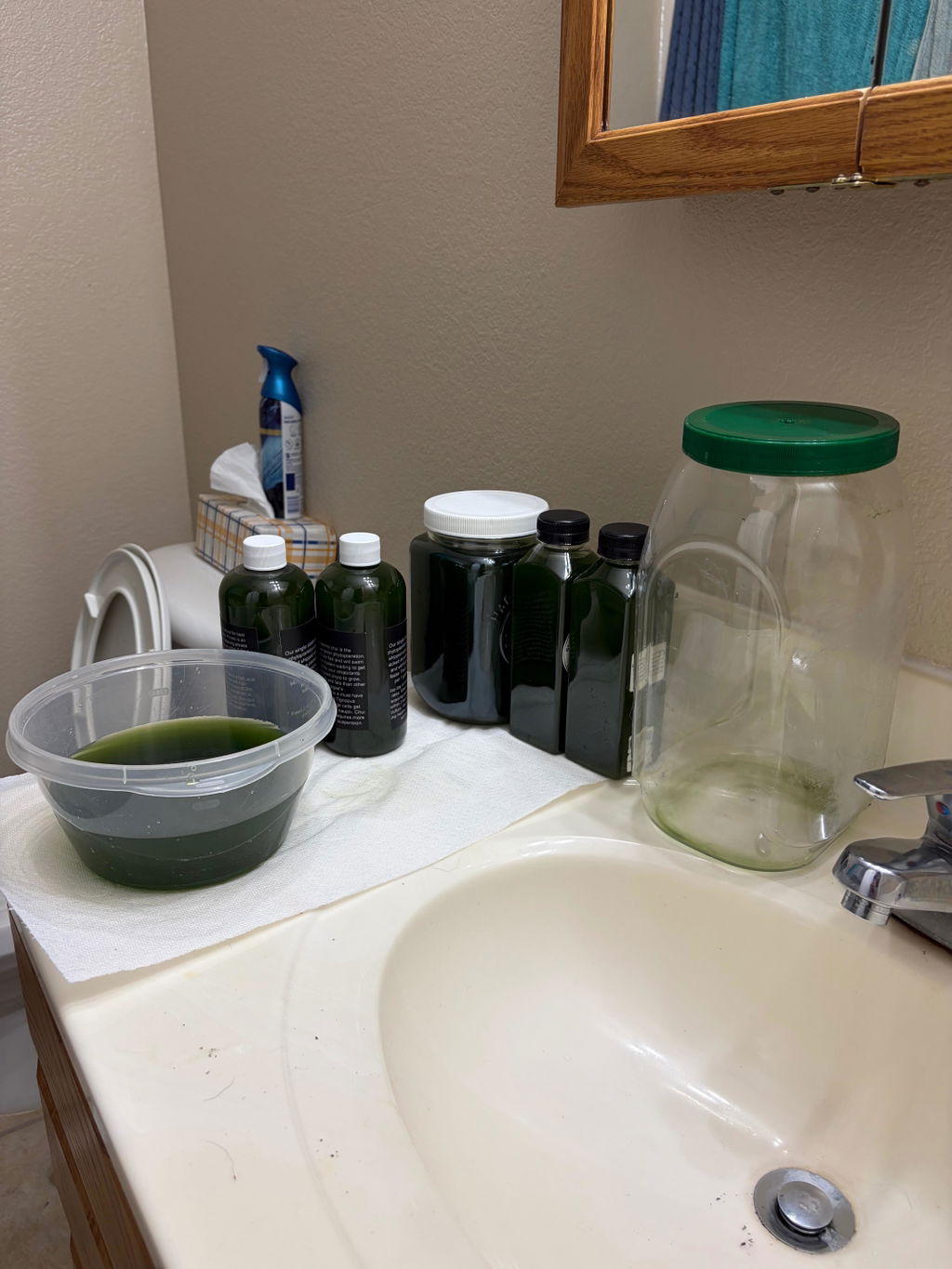
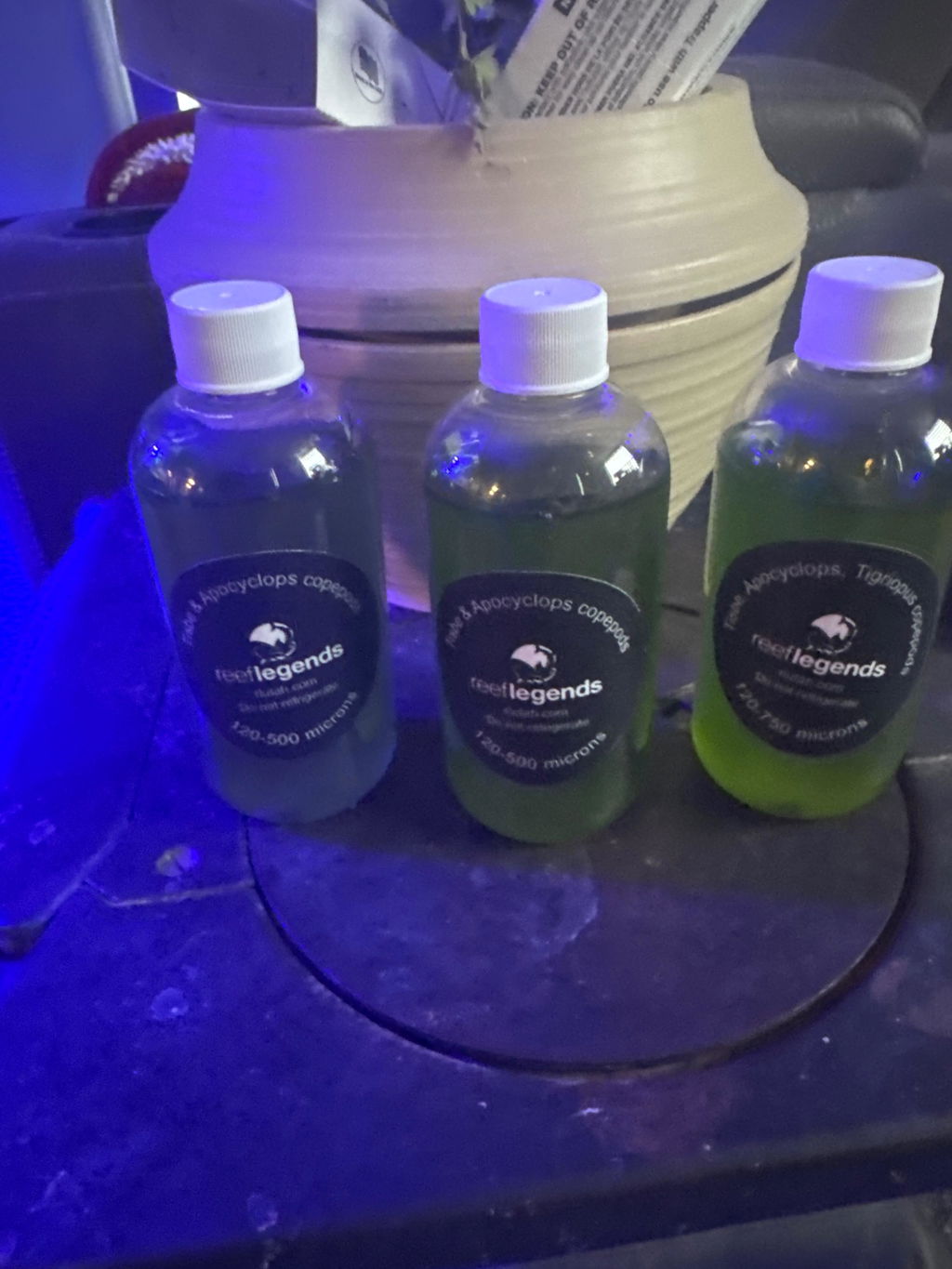
A dark green bottle and a five-star rating can look convincing, but phytoplankton blend reviews only mean something if they tell you what happened after the bottle reached a real reef tank. Did the culture arrive cold and alive? Was the bottle visibly dense? Did it support pods, filter feeders, corals, or a home culture? Those are the details that separate a useful review from a quick comment left before the product has done any work.
For reef keepers trying to rebuild a food web or maintain a mature mixed reef, a live phytoplankton blend is not just another coral food. It is a recurring input with an effect that can show up in pod activity, microfauna, filter-feeder response, water clarity, and nutrient management. Reviews are worth reading closely, but they need to be read with the right expectations.
How to Read Phytoplankton Blend Reviews
Start by looking for specifics rather than praise alone. "Great product" is nice to see, but it does not tell you whether the buyer received a healthy live culture or whether it fit their system. The strongest reviews mention color, consistency, packaging, arrival temperature, tank size, dosing routine, and the animals being fed.
A review saying the bottle was deep green, properly chilled, and packed without leaks gives you useful information about culture density and shipping care. A customer who reports increased copepod activity after several weeks offers a better signal than someone expecting an overnight coral color change. Live feeds work through biology, and biology rarely performs on a same-day timeline.
Pay attention to how long the reviewer has used the product. An arrival review is helpful for judging fulfillment and packaging. A review posted after two to six weeks is more useful for evaluating how the blend fits into an established feeding routine. If someone is culturing rotifers or copepods, their experience may be especially relevant, but it will not necessarily translate one-for-one to a low-nutrient SPS display.
Dense color is a clue, not the whole score
Color is one of the first things hobbyists notice because it is visible. A healthy, dense phytoplankton culture often has a strong green, brown, or golden tone depending on the strains in the blend. It should not look like lightly tinted water. That said, color alone cannot confirm cell count, species balance, or freshness.
Some species naturally look different from others, and a multi-species product will not always match the appearance of a single-strain bottle. What matters is whether the product is marketed and reviewed as a live, concentrated blend, then arrives looking consistent with that claim. Reviews that mention a thick, healthy-looking culture are useful. Reviews that only compare the bottle to a bright green photo are less decisive.
Species diversity should match the job
The word "blend" gets used loosely. A real blend should have a purpose beyond putting several names on a label. Different phytoplankton species vary in cell size, nutritional profile, fatty-acid content, and usefulness for different animals and culture applications.
Smaller-cell species can be a better fit for certain filter feeders and larval applications. Larger cells may be useful for other grazers. A varied blend can broaden the particle sizes and nutrition available in the tank, which is one reason many reef keepers use one for general food-web support. But more species is not automatically better if the culture is weak, poorly handled, or vague about what is actually inside.
Read reviews for clues that buyers understand the blend's use case. A reef keeper feeding a mixed reef, refugium, and pod population may be thrilled with a diverse bottle. A breeder trying to maintain a clean, repeatable rotifer culture may prefer a specific strain. Neither buyer is wrong. The better product is the one that matches the task.
What Good Reviews Say About Freshness and Shipping
Live phytoplankton has a harder trip than dry food. Shipping delays, excessive heat, freezing temperatures, and poor packaging can reduce culture quality before the bottle ever reaches your door. This is why shipping comments deserve more weight in phytoplankton blend reviews than they might for shelf-stable aquarium products.
Look for reviews that mention insulated packaging, cold packs when conditions call for them, secure bottles, and no leakage. A buyer should also say whether the bottle arrived on the expected shipping day. A great culture shipped at the wrong time can still become a bad customer experience.
There is a trade-off here. Cold packs are helpful in hot weather, but a live culture should not be frozen against an ice brick. In winter, protection from extreme cold may matter more than aggressive chilling. The best shipping practices change with the weather and transit route, which is why thoughtful operational updates from a seller are a good sign.
Once it arrives, get the bottle into the refrigerator promptly unless the supplier gives different instructions. Do not leave it in a hot mailbox, shake it violently, or dose it straight from a bottle that has been baking on the porch. A poor result caused by hours of post-delivery heat should not be confused with a poor culture.
Results Worth Looking For in a Reef Tank
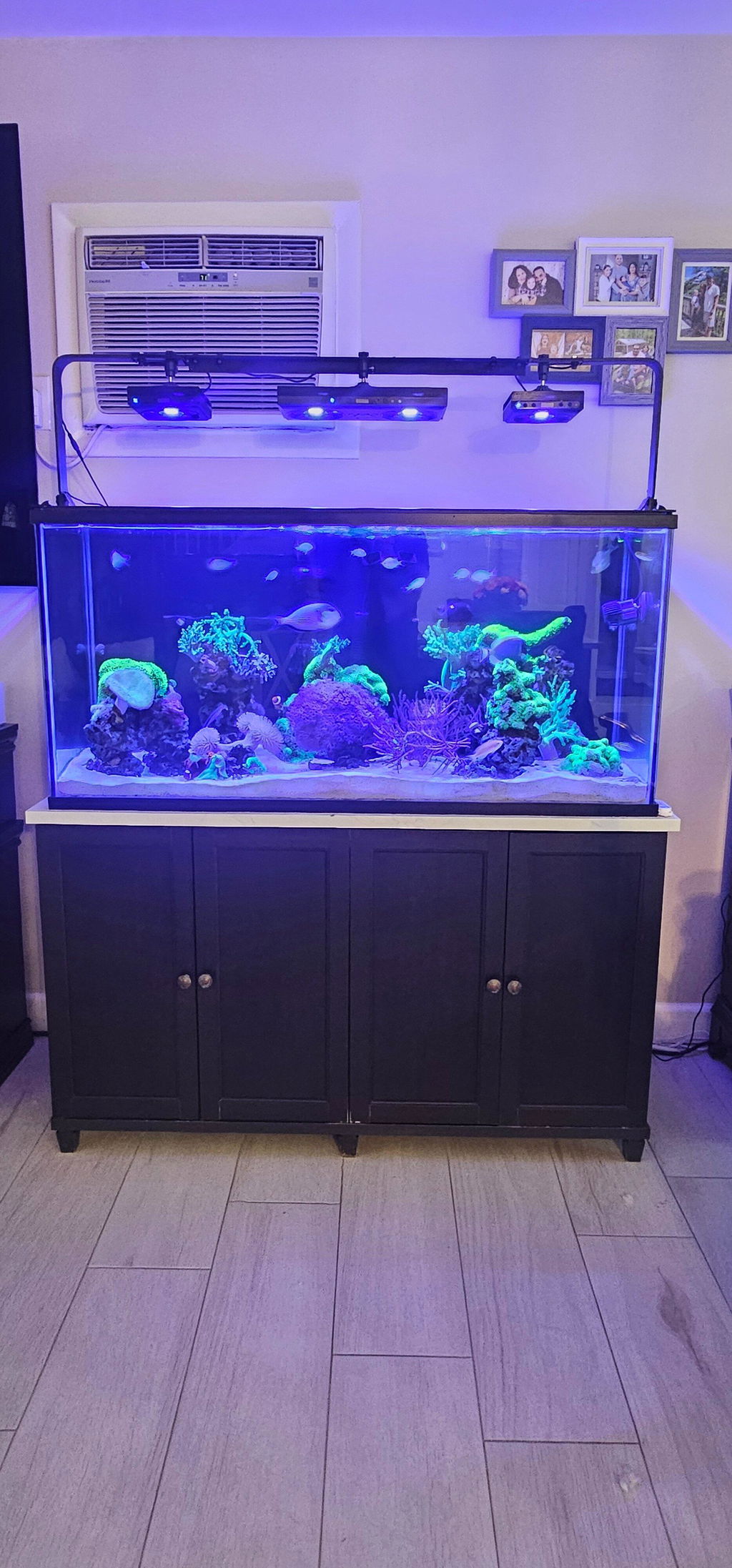
The most believable outcomes are usually subtle at first. Reef keepers often report stronger copepod populations, more active refugium life, better support for feather dusters and other filter feeders, or a more stable feeding routine for corals. These are reasonable observations when live phytoplankton is dosed consistently and the rest of the system supports life.
Be cautious with reviews that promise dramatic nutrient reduction or instant coral growth from phytoplankton alone. A live blend can contribute to a healthier microbial and planktonic food web, but it is not a substitute for good export, stable parameters, appropriate lighting, or enough fish and coral nutrition. In some systems, regular dosing may even raise measurable nutrients if feeding is heavy and export is limited.
That does not mean phytoplankton is only for high-nutrient tanks. It means dose size and frequency should match the system. A newer tank with little established microfauna may need time before the benefits are obvious. A mature reef with pods, sponges, filter feeders, and a refugium may show a more noticeable response. Start conservatively, watch nitrate and phosphate, and adjust based on the tank rather than a generic capful recommendation.
Watch for Reviews From Hobbyists Like You
A review from a clownfish breeder managing rotifers is valuable, but it answers different questions than a review from someone maintaining a 200-gallon Acropora system. Before treating a review as proof, compare the reviewer’s goal with your own.
For display tanks, look for comments about broad feeding support, pod reproduction, and how the product fits a weekly routine. For culture work, prioritize feedback on consistency, contamination concerns, density, and whether the feed maintains rotifers or copepods without crashing the culture. For coral-focused systems, useful reviews describe feeding frequency and whether the aquarist monitored nutrients alongside their results.
Photos can help, especially when they show the bottle at arrival or a healthy copepod culture after ongoing use. Still, photos are supporting evidence, not lab data. Tank lighting, camera settings, and a freshly cleaned bottle can all change appearances. Detailed written observations are often more valuable.
Questions to Ask Before You Buy
Instead of looking for the highest star average, ask a few practical questions. Is the blend clearly identified as live? Does the seller explain storage and shipping? Do reviewers repeatedly mention dense color, healthy arrival, and real use after delivery? Are there reports from reef keepers with systems similar to yours?
Also consider whether you need a blend at all. A multi-species live phytoplankton product is a solid choice for hobbyists who want broad food-web support in a reef, refugium, or pod culture. A single strain can make more sense when you are dialing in a breeding protocol or maintaining a specific live-food culture. Reef Legends focuses on both paths because reef tanks and culture stations do not all need the same bottle.
A review section should help you set realistic expectations, not sell you a miracle. Choose the comments with details, give the live culture a fair routine, and let your own tank tell you whether it is becoming a more active place to feed.